Eng - English
Rx
-20%

 Abortion Pills
 Pain Killers
 Weight Loss
 Anti Cancer
 Tadalafil
 Ivermectin
 Sildenafil
Dapoxitine
Mebendazole
Fenbendazole
Albendazole
Zopiclone
Minoxidil
Anti Diabetic
Liver Care
Ayurvedic Cognitive & Nervous System Support
Ayurvedic Male Vitality & Sexual Wellness Supplement
Ayurvedic Hemorrhoid / Piles Management Supplement
Nutritional Supplement / Multivitamin & Multimineral
Pain Relief & Muscle Relaxant / Non-Steroidal Anti-Inflammatory Drug (NSAID) Combination
Carbonic Anhydrase Inhibitor / Diuretic / Anti-Glaucoma Agent
Gastrointestinal Agent / Prokinetic Agent for Functional Dyspepsia
Hepatoprotective / Dietary Supplement (S-Adenosyl Methionine)
Nutritional / Dietary Supplement (Antioxidant)
Anti-Allergic / Antihistamine (Second-generation H1-receptor antagonist)
Anti-Allergic / Combination Antihistamine & Leukotriene Receptor Antagonist
Antihypertensive / Cardiovascular Agent (Calcium Channel Blocker)
Antibiotic / Penicillin-class Antibacterial (Combination)
Anti-Cancer / Hormonal Therapy (Aromatase Inhibitor)
Type 2 Diabetes
Herbal Tablets
Tablets
Export Range
Capsules
Creams, Gels & Ointments
Resins
Drops, Sprays & Oral Care
Powders, Syrups & Lotions
Personal Care
Respiratory & OTC
Other
Injections
Syrups & Suspensions
Sildenafil
Dapoxitine
Mebendazole
Fenbendazole
Albendazole
Zopiclone
Minoxidil
Anti Diabetic
Liver Care
Ayurvedic Cognitive & Nervous System Support
Ayurvedic Male Vitality & Sexual Wellness Supplement
Ayurvedic Hemorrhoid / Piles Management Supplement
Nutritional Supplement / Multivitamin & Multimineral
Pain Relief & Muscle Relaxant / Non-Steroidal Anti-Inflammatory Drug (NSAID) Combination
Carbonic Anhydrase Inhibitor / Diuretic / Anti-Glaucoma Agent
Gastrointestinal Agent / Prokinetic Agent for Functional Dyspepsia
Hepatoprotective / Dietary Supplement (S-Adenosyl Methionine)
Nutritional / Dietary Supplement (Antioxidant)
Anti-Allergic / Antihistamine (Second-generation H1-receptor antagonist)
Anti-Allergic / Combination Antihistamine & Leukotriene Receptor Antagonist
Antihypertensive / Cardiovascular Agent (Calcium Channel Blocker)
Antibiotic / Penicillin-class Antibacterial (Combination)
Anti-Cancer / Hormonal Therapy (Aromatase Inhibitor)
Type 2 Diabetes
Herbal Tablets
Tablets
Export Range
Capsules
Creams, Gels & Ointments
Resins
Drops, Sprays & Oral Care
Powders, Syrups & Lotions
Personal Care
Respiratory & OTC
Other
Injections
Syrups & Suspensions
 Sexual Wellness
Loading cart...
Active Ingredient
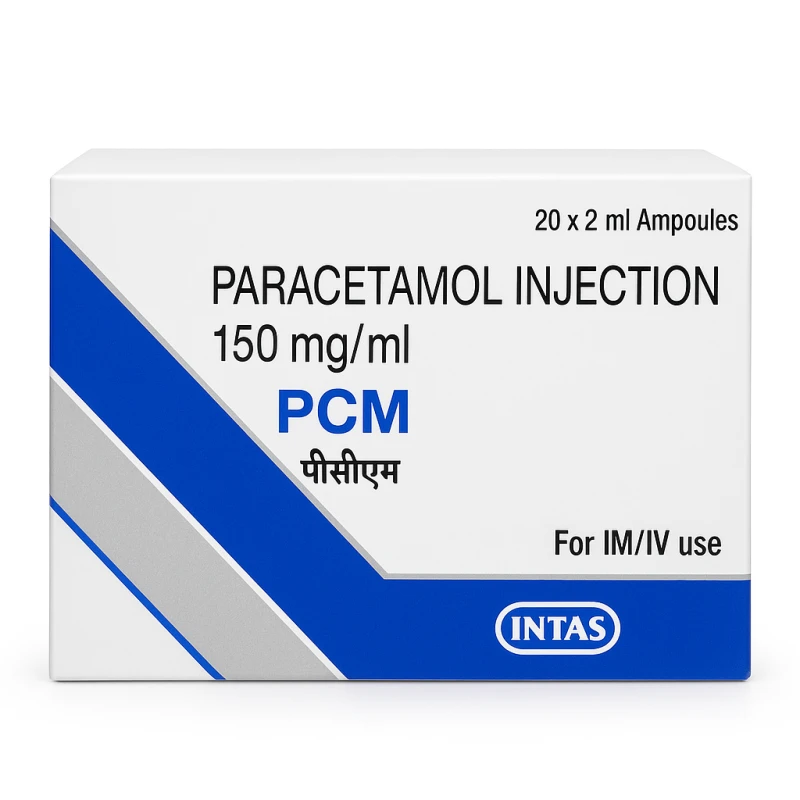
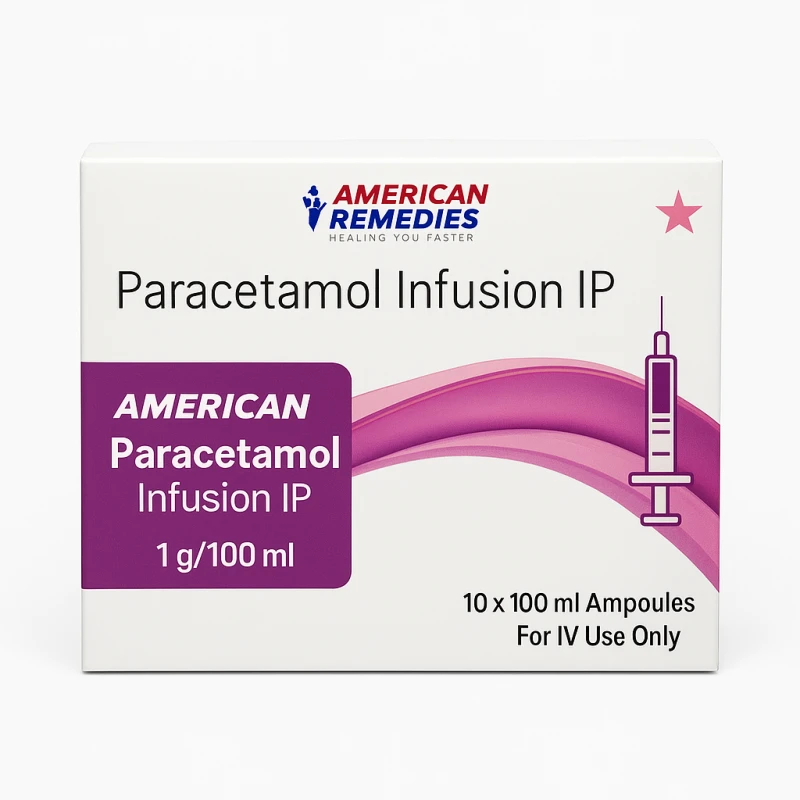
Paracetamol (also known as acetaminophen) is a widely used analgesic (pain reliever) and antipyretic (fever reducer). It belongs to the class of miscellaneous analgesics/antipyretics and is available over-the-counter in many forms, including tablets, capsules, liquids, and suppositories.
Although not fully understood, paracetamol is thought to work mainly in the brain by inhibiting cyclooxygenase (COX) enzymes, particularly COX-2. This reduces the production of prostaglandins, chemicals that promote pain and fever. Unlike non-steroidal anti-inflammatory drugs (NSAIDs), it has little effect on inflammation because it doesn’t act in the rest of the body. It may also influence serotonin pathways to enhance pain relief.
Information is compiled from standard pharmacology references and reviewed for general accuracy. It is intended for educational purposes only and is not a substitute for professional medical advice.
Available medicines